
Fiber Farmer Survey
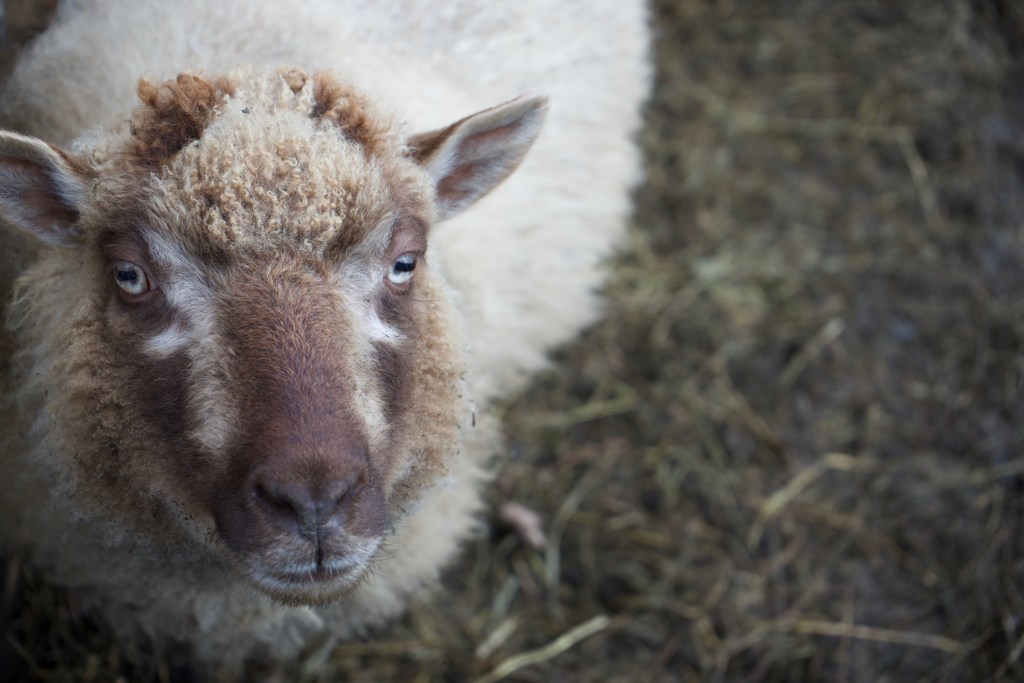
A survey of fiber farmers was sent out via a google doc form through email to thirty-six fiber farms in New Hampshire, 29 fiber farms in Maine, and 65 fiber farms in Vermont to evaluate the needs, strengths, and weaknesses of our Fibershed region. For privacy reasons, the names and addresses of farmers have been kept anonymous. The survey was distributed from September 1st, 2021 until December 1st, 2021, a period of three months. The survey shows quantitative numerical data such as farm acreage, pasture acreage, the weight of fiber produced in pounds annually, price per pound of raw fiber, annual total farm revenue, and annual revenue from fiber products. Quantitative categorical data such as pasture management practices, breed and fiber quality, fiber processing available, sales channels, types of products sold, and technical assistance needs. The aim of this survey was to answer the question “How can the NNEF best serve members of the Fibershed community in their endeavors financially, environmentally, and socially?” We hope that sharing this information more broadly will encourage members of Fibershed communities to think about the ways in which they could potentially help their local Fibershed. If you are a fiber farmer please take a moment to fill out our google form by clicking here.
Results
The results of the fiber farmer survey were examined on November 22, 2021. There were a total of 33 responses including 17 responses from Vermont, 10 responses from New Hampshire, and six responses from Maine. Fig. 1 shows approximate locations for each farm that responded.

Fig. 1: Fiber Farm Respondent Locations
Out of the 34 farms, about 12.5% have total farm acreage under 5 acres, 21.9% have 5 to 10 acres, 18.8% have 10 to 20 acres, 21.9% have 20 to 50 acres, and 25% have over 50 acres. Total farm acreage totals can be seen in Fig. 2. Total farm acreage differs from the acreage that is used for pasture. About 36.4% of farms have under 5 acres pasture, 18.2% have 5 to 10 acres, 27.3% have 10 to 20 acres, 12.1% have 20 to 50 acres, and 6.1% have over 50 acres. Pasture acreage totals can be seen in Fig. 3.

Fig. 2: Above; Fiber Farm Total Acreage, Fig. 3 Below; Fiber Farm Pasture Acreage

The pasture management practices that are most used are rotational grazing (96.9%), compost management (71.9%), pasture reseeding/rehabilitation (43.8%), nutrient management (28.1%), riparian zones ( 18.8%), silvopasture (12.5%), annual soil testing (9.4%), and pest management (6.3%). These figures can be seen in Fig. 4.

Fig. 4: Pasture Management Practices
When asked how much fiber each farm produces in pounds annually, 6.1% produce no fiber, 3% produce 1 to 25 lbs, 24.2% produce 25 to 50 lbs, 6.1% produce 50 to 74 lbs, 15.2% produce 75 to 100 lbs, 24.2% produce 100 to 249 lbs, 15.2% produce 250 to 499 lbs, and 6.1% produce 500 to 749 lbs. The weight of fiber produced in pounds annually can be seen in Fig. 5.

Fig. 5: The Weight of Fiber Produced in Pounds Annually
Data shows a wide range of annual gross farm sales. 21.4% of farms sell $0 to $500 dollars annually, 10.7% sell $500-$1000 annually, 17.9% sell $1000-$5000 annually, 21.4% sell $5000-$10,000 annually, 3.6% sell $10,000-$25,000 annually, 10.7% sell $25,000- $50,000 annually, 7.1% sell $50,000-$75,0000 annually, and 7.1% sell $75,000 to $150,000 annually. Gross annual farm sales can be seen in Fig. 6.

Fig. 6: Annual Gross Farm Sales
It is important to keep in mind that these gross annual farm sales numbers are not indicative of fiber product sales. Fiber and fiber product sales are as follows and can be seen in Fig 7. 34.5% of farms have fiber and fiber product sales between $0-$500 annually, 13.8% between $500-$1000, 24.1% between $1,000-$5,000, 17.2% between $5,000-$10,000, 6.9% between $10,000-$25,000, and 3.4% between $50,000-$75,000. Out of the 16 farms that were able to share the price per pound of raw fiber when sold, 18.8% were between $0-$5, 31.3% were between $5-$15, 43.8% were between $15-$30, and 6.3% receive above $30 per pound of raw fiber. These figures can be seen in Fig. 8.

Fig. 7: Above; Annual Fiber and Fiber Product Sales Fig. 8: Below; Price Per Pound of Raw Fiber

The average flock size was 27 including sheep, llama, and alpaca. The minimum number of fiber animals was 2 and the maximum number was 200 including ewes, rams and lambs. The number of fiber animals fluctuates for farms that breed and sell animals. Fiber farm respondents each had varying degrees of fiber processing capabilities. Eighty-one point three percent of farms skirt their fleeces, 59.4% of farms spin their fleeces, 40.6% of farms card their fleeces, 31.3% of farms compost their fleeces or use them in some other capacity other than for fiber, 28.1% of farms scour their fleeces, 15.6% of farms have some weaving capabilities, and 12.5% of farms have no processing capabilities. These figures can be seen in Fig. 9.

Fig. 9: Fiber Processing Capabilities
When asked what kind of sales channels farms use the data shows that 53.1% of farms sell their products at farmers markets and other events, 46.9% sell products online, 37.5% sell at farm-based stores, 12.5% sell wholesale, 9.4% don’t sell at all, and 32.2% sell in various other ways including consignment at local shops, to friends and family, and through wool pools. This data is shown in a bar graph in Fig. 10.

Fig. 10: Farm Product Sales Channels
Types of products sold include raw fleece (63.6%), washed fleece (24.2%), batts (30.3%), roving (63.6%), yarn (66.7%), finished clothing %15.2%), finished other products (30.3%), pelts/skins (39.4%), and assorted other products (18%). These figures can be seen in Fig. 11.

Fig. 11: Types of Products Sold
Types of assistance needed were pasture and animal management, timely shearing, marketing, business management, access to land, quality hay/feed, improving fiber quality, breed improvement, fencing, fiber processing, and taxes. Data for technical assistance needs can be seen in Fig. 12.

Fig. 12: Technical Assistance Needs
When asked if they had thought about expanding their fiber production 59.4% said no and 40.6% said yes. When asked what the challenges to expanding were, some popular answers were age, lack of marketing resources, pasture space, hay storage, occasional help, challenges of getting fiber processed, physical challenges, lack of market, financial needs, and time.